Operational Standardization & Efficiency
We implement proven workflows and custom protocols to eliminate bottlenecks, reduce administrative burden, and maximize productivity. Our focus is on creating systematic processes that enhance patient safety and optimize resource allocation.
11/25/20252 min read
Core Components of the Vet Nurse Workflow
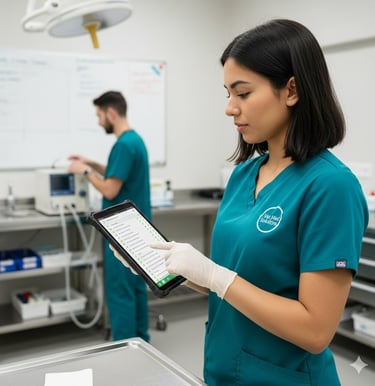
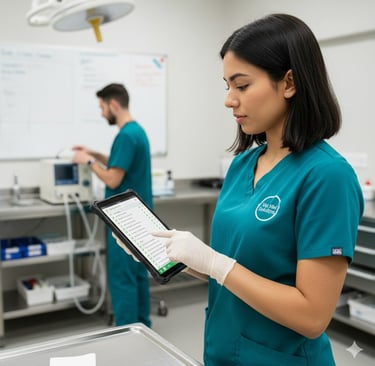
Vet nurses typically handle a diverse range of tasks throughout their day, requiring strong multitasking and organizational skills. Their workflow can be broken down into general areas:
1. Morning Preparation and Consultations
The day often begins early with preparation tasks to ensure smooth clinic operations.
Setting up: Preparing consultation and surgery rooms, sterilizing equipment, and restocking supplies.
Patient Admissions: Admitting surgical or hospitalized patients, gathering history from owners, performing initial checks (e.g., vital signs, blood tests), and placing intravenous catheters.
Assisting Veterinarians: Supporting vets during routine consultations and examinations, which may include animal restraint.
2. Surgical Assistance and Monitoring
A major part of the workflow involves assisting with surgical procedures.
Pre-surgery Prep: Preparing the patient for surgery (shaving and disinfecting the site) and setting up the operating room.
Anesthesia Monitoring: Closely monitoring patients under anesthesia, tracking vital signs (heart rate, blood pressure, oxygen levels), and adjusting anesthetic agents under veterinary supervision.
Post-operative Care: Monitoring patients in recovery, managing pain relief, and ensuring their comfort.
3. Inpatient Care and Diagnostics
Vet nurses are responsible for the ongoing care of hospitalized animals.
Treatments & Medication: Administering medications and injections, bandaging wounds, and providing general nursing care as directed by the vet.
Diagnostic Support: Assisting with diagnostic tests such as blood work, urinalysis, X-rays, and ultrasound imaging.
Patient Rounds & Handover: Participating in hospital rounds to discuss patient status and ensure effective communication between staff members for continuity of care.
4. Emergency Response
Nurses must be prepared to triage and assist with emergency cases that arrive unexpectedly.
Triage and Stabilization: Performing initial assessments of emergency cases, administering first aid, and helping the vet stabilize the patient.
Client Communication: Providing emotional support to owners during stressful times and keeping them informed of patient status.
5. Administration and Client Education
Workflow includes crucial non-clinical tasks.
Discharge Procedures: Explaining post-treatment care, medication instructions, and scheduling follow-up appointments with owners.
Record Keeping: Maintaining accurate patient, hospital, and supplier records.
Client Advice: Offering pet health care advice on topics like nutrition, preventative care, and rehabilitation.
Reception Duties: Sometimes assisting with booking appointments and handling phone queries.
6. End-of-Day Routine
The day typically concludes with cleaning and preparation for the next day's operations.
Cleaning & Sterilizing: Tidying consultation rooms, cleaning surgical areas, and sterilizing all used equipment.
Restocking: Ensuring all medical supplies are restocked and ready for the following day.
This structured, yet varied, workflow demands a calm, focused, and compassionate individual with excellent teamwork skills.
Contact
Reach out for tailored veterinary team solutions.
© 2025. All rights reserved.